Cessna Nose Gear Strut Assembly: Aircraft Ground Handling and Structural Component
Cessna Nose Gear Strut Assembly: Aircraft Ground Handling and Structural Component
Blog Article
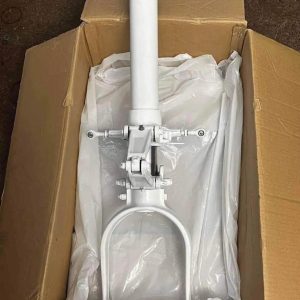
The Cessna Nose Gear Strut Assembly is an important landing-gear component designed to support the forward section of a compatible aircraft during taxiing, takeoff, landing, parking, towing, and routine ground operations.
Whether buyers search for a Cessna Nose Landing Gear Strut, Cessna Nose Gear Assembly, Cessna Landing Gear Strut, or Cessna Nose Strut, exact part identification should guide the purchase.
A Cessna Front Landing Gear Assembly may include an Aircraft Nose Gear Strut, wheel fork, steering parts, attachment hardware, seals, bearings, and other model-specific components.
These related terms help connect the product with aircraft owners, maintenance facilities, restorers, and general aviation parts buyers.
A Cessna Replacement Nose Gear should correspond with the receiving aircraft’s approved configuration rather than being selected through appearance alone.
Key Details of an Aircraft Nose Strut
A unit should not be accepted as compatible solely because it came from an aircraft within the same general Cessna family.
Informal descriptions such as complete or ready to install should be supported by an exact inventory.
Evaluating Landing Gear Structural Responsibilities
The nose gear supports a portion of the aircraft’s ground weight and transfers loads into designated airframe attachment points.
Any evidence of previous impact should be disclosed and investigated.
Evaluating Strut Extension and Movement
Complete functional evaluation is more reliable than visual appearance alone.
Incorrect pressure or fluid quantity can influence ground clearance, steering, ride quality, and structural loading.
Evaluating Ground Steering Geometry
The nose gear may interact with the aircraft steering system through collars, torque links, rods, springs, cables, stops, bushings, or other model-specific mechanisms.
Professional adjustment here protects the Cessna Steering Strut Assembly and connected components.
Aircraft Model and Serial-Range Compatibility
The buyer should compare the offered unit with current illustrated-parts, maintenance, and installation information.
Supplemental modifications, replacement forks, wheel conversions, tire changes, steering alterations, and airframe repairs can affect compatibility.
Checking Chrome and Machined Surfaces
Detailed inspection supports reliable Aircraft Nose Gear Strut evaluation.
Internal wear can result from contamination, damaged seals, misalignment, corrosion, or prolonged operation with incorrect servicing.
Understanding Strut Seal Maintenance
Fluid leakage around the piston, seals, fittings, plugs, or servicing points can indicate deteriorated seals, damaged surfaces, loose components, contamination, or incorrect assembly.
Seal grooves, backup rings, scrapers, and retaining components should be checked when the assembly is opened.
Maintaining Protective Finishes
Landing gear components are exposed to water, runway contaminants, cleaning products, salt, dirt, chemicals, and changing environmental conditions.
Fastener holes, fork transitions, cylinder ends, and welded or machined areas deserve close attention.
Inspecting High-Stress Areas
Professional evaluation is appropriate when impact history is known or uncertain.
Hard landings, runway excursions, tow-bar incidents, shimmy, collapsed tires, obstacle contact, and freight damage can affect the nose gear even when external deformation appears minor.
Evaluating Fork Alignment and Axle Condition
Fork alignment influences wheel tracking, steering response, tire wear, and clearance around fairings or nearby components.
Used hardware should not be reused automatically without applicable inspection.
Inspecting Landing Gear Articulation Components
Excessive play can contribute to wheel misalignment, vibration, shimmy, and accelerated component wear.
Improperly installed bushings, unsuitable bolts, missing washers, or altered holes can affect steering and strut movement.
Understanding Ground Vibration Causes
Nose-wheel shimmy can result from worn bushings, loose torque links, tire imbalance, wheel-bearing play, incorrect tire pressure, steering looseness, alignment issues, or structural wear.
A new tire can mask but not correct underlying geometry problems.
Servicing the Cessna Shock Strut
Values from another Cessna model should not be applied without verification.
Repeated pressure loss should prompt leak investigation rather than continual inflation.
Overhaul and Reconditioning Considerations
Parts replaced, measurements taken, defects found, and repairs completed should be documented.
Some components may be repairable while others require replacement.
Aircraft Nose Gear Buying Guide
A pre-purchase review should confirm the exact part number, configuration, aircraft applicability, serial markings, dimensions, included components, removal reason, condition, repair history, and documentation.
- Confirm the complete Cessna part number, dash number, serial or casting markings, aircraft model, serial-range applicability, strut type, dimensions, and configuration.
- Confirm total time when known, removal reason, donor aircraft, overhaul history, servicing status, seal replacement, and inspection results.
- Inspect and photograph the assembly immediately after delivery before cleaning, servicing, disassembling, repairing, painting, or installing it.
Aircraft Component Crating Requirements
The chrome or polished piston area should receive protective wrapping that prevents impact and contamination without trapping moisture.
Pre-shipment photographs can document condition, included parts, and packaging before collection.
Preparing a Stored Assembly for Service
Openings should remain protected from contamination.
Organized storage supports the commercial value of General Aviation Landing Gear Parts.
Preparing for Ground-Handling Checks
Surrounding structure should be inspected for cracks, corrosion, deformation, worn holes, and previous repair before installing the replacement assembly.
Hoses, wiring, fairings, controls, and nearby components should maintain suitable clearance through the steering and compression ranges.
Taxi checks should begin conservatively and should monitor shimmy, pulling, vibration, abnormal noise, leakage, and steering behavior.
Maintaining the Cessna Nose Landing Gear
Small leaks, corrosion, looseness, tire wear, damaged coatings, unusual noise, or shimmy should receive timely attention.
Pilots and operators should report steering changes, unusual compression, leakage, vibration, or tire wear promptly.
Choosing a Documented Aviation Component
Clean paint may improve presentation but does not replace structural, dimensional, and functional evaluation.
Buyers should compare complete and documented packages rather than price alone.
Choosing the Cessna Nose Gear Strut Assembly
The Cessna Nose Gear Strut Assembly may suit private aircraft owners, flight schools, maintenance organizations, restorers, aviation dealers, and general aviation operators seeking an identifiable landing-gear component.
Careful technical and commercial evaluation can reduce compatibility problems, missing-parts expenses, overhaul surprises, installation delays, steering concerns, and documentation issues.
Whether the product is described as a Cessna Nose Gear Shock Absorber, Cessna Landing Gear Assembly, Aircraft Landing Gear Strut, or Cessna Nose Wheel Strut, aircraft-specific compatibility remains essential.
With verified identity, suitable structural condition, correct aircraft applicability, professional servicing, disciplined installation, and routine inspection, the assembly can provide dependable long-term value.
Report this page